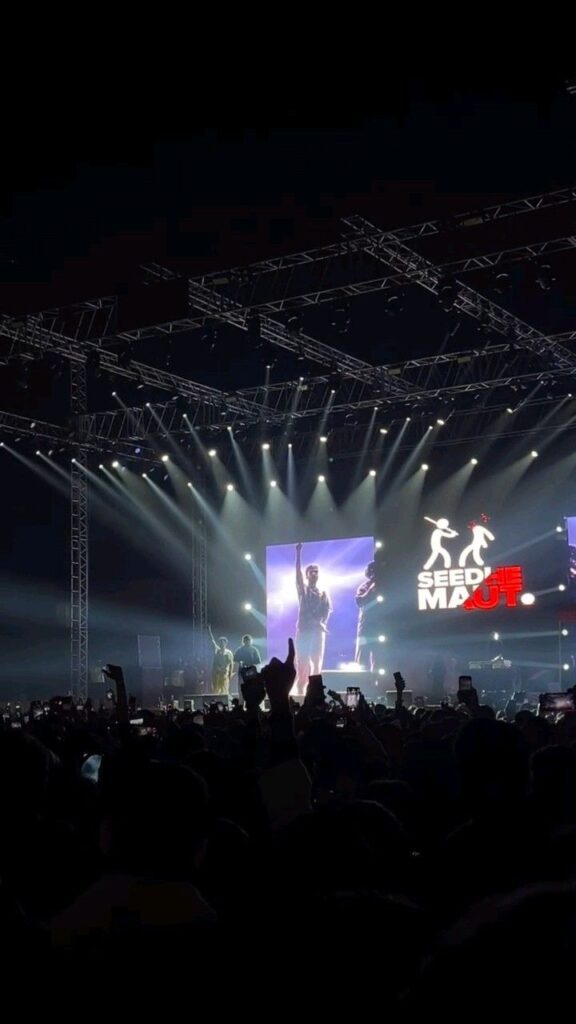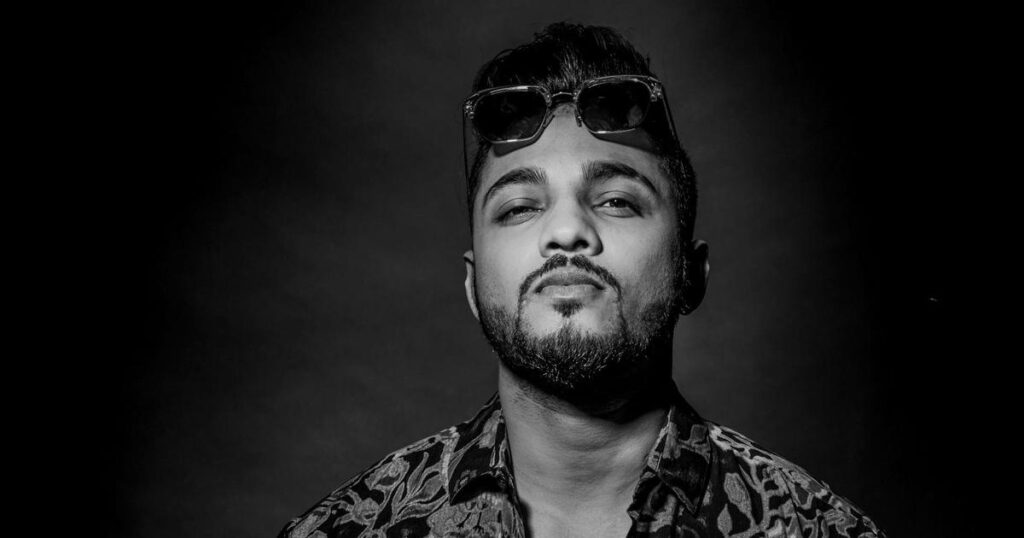
A few years ago, I was sitting with some friends, playing music from my phone, and someone laughed when I played DIVINE’s “Jungli Sher.” “Bro, why are you listening to Indian rap?” they said. That moment stuck with me. Fast forward to today, and those same people are adding Seedhe Maut tracks to their playlists and quoting KRSNA lyrics on their Instagram captions.
It’s funny how fast things change. The Indian hip hop scene didn’t just grow — it exploded. And the best part? It didn’t come from film industries or polished record labels. It came from bedroom studios, broken mics, cracked software, and a fire that just refused to die.
Before the Buzz
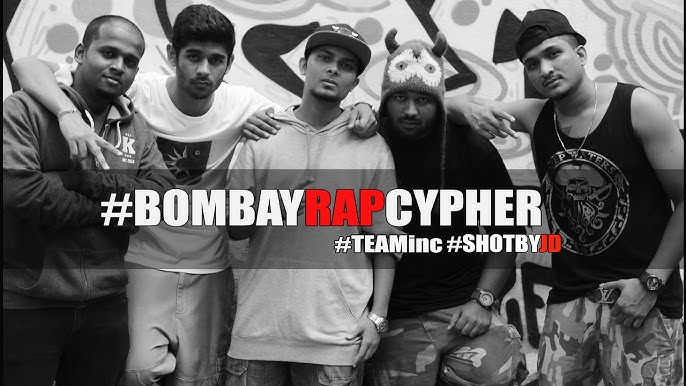
Let’s be real — before Gully Boy, most people didn’t even know India had a rap scene. But it was already there. It had been growing silently in the shadows. Guys like Naezy, DIVINE, and Emiway were putting out music years before Ranveer Singh ever stepped into the role of Murad. These were self-taught artists with no formal training, no backing — just beats, bars, and a belief that their voice mattered.
What made their music so powerful was that it wasn’t about cars, clubs, or flexing gold chains. It was about their own lives — police harassment, poverty, dreams crushed by society, and the constant grind of trying to escape a system built to keep them down.
You couldn’t help but relate — even if you didn’t live that exact life, you felt the honesty.
Hindi Mein Rap? Yes, Please.
There was a time when rapping in English was considered “cool” and rapping in Hindi or Punjabi? Not so much. But that changed, slowly and steadily.
Artists started using their mother tongues — Hindi, Marathi, Tamil, Punjabi, even Haryanvi — and suddenly, rap felt a lot closer to home. The words hit harder. It wasn’t about “swag” anymore — it was about survival, rebellion, and truth.
When Seedhe Maut drops a track like “Maina”, or when MC Stan tells you “Basti ka hasti,” you don’t need translations. You feel it.
Hip hop in India is no longer borrowed. It’s homegrown. It has its own slang, its own heroes, and its own sound.
Beef, Brotherhood, and Bars
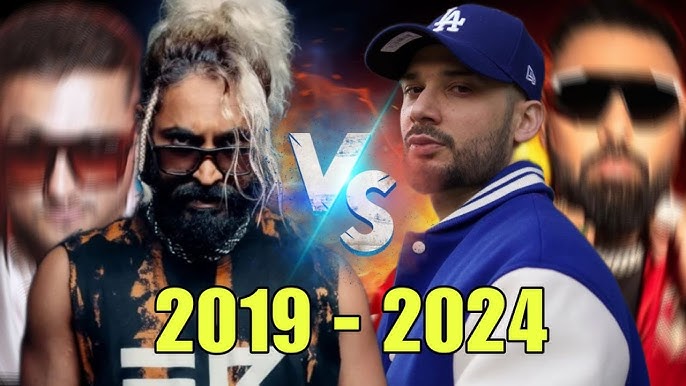
Of course, it hasn’t all been clean and friendly. Indian hip hop has seen its fair share of diss tracks, rivalries, and online drama. From KRSNA vs Emiway, to scene-wide debates about who’s real and who’s not, things get heated.
But honestly? That’s part of what keeps hip hop culture alive — competition. In a weird way, it pushes the artists to stay sharp. The bars get better, the fans get more engaged, and the overall quality rises.
But beyond the beef, there’s also a lot of collaboration. From DIVINE and Sidhu Moosewala dropping “Moosedrilla”, to Seedhe Maut teaming up with Sez On The Beat — the best projects often happen when these artists build together.
There’s a sense that even if they’re different, they’re all part of something bigger than themselves.
From Bedroom Studios to Spotify Charts
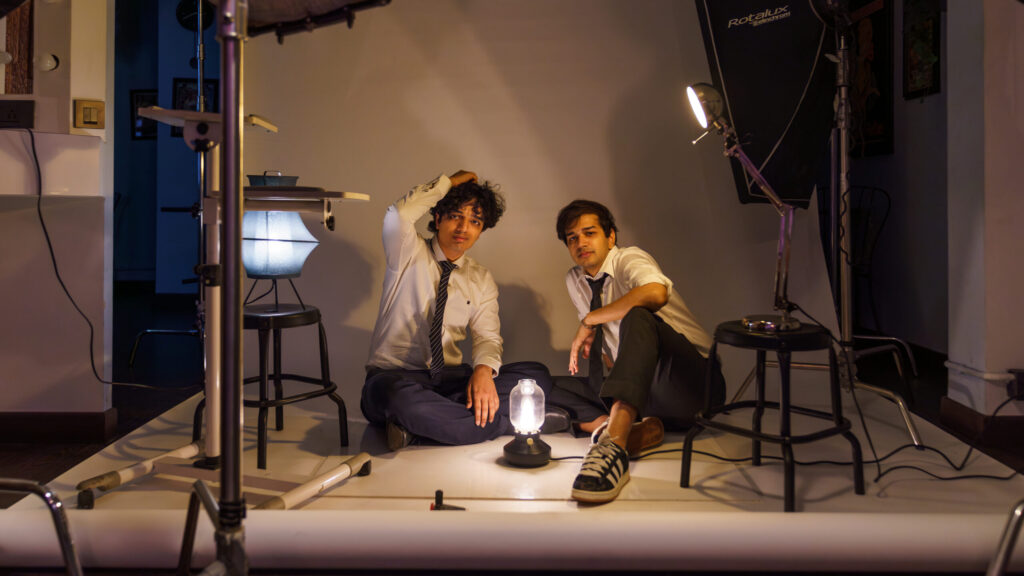
One thing that makes the Indian hip hop scene so fascinating is how digital-first it is. These guys didn’t wait for record labels or TV channels to notice them.
They dropped tracks on YouTube. They built fanbases on Instagram. They sold merch directly to fans. They hustled, and the internet gave them a stage.
And it’s not just views — it’s serious numbers. Artists are now charting on Spotify, getting featured in Apple Music playlists, and performing in packed arenas. MC Stan won Bigg Boss. DIVINE is on Netflix. This isn’t just underground anymore. It’s mainstream — but still raw and real.
More Than Just Music
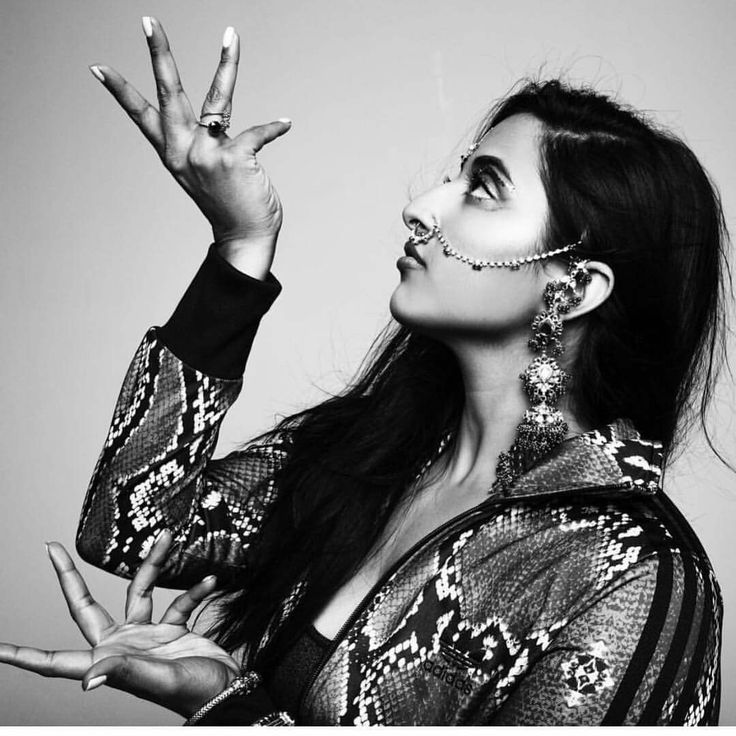
What makes Indian hip hop special — at least to me — is that it’s not just about entertainment. It’s about expression.
In a country like ours, where so many people feel unheard, hip hop has become a tool for saying what needs to be said. Caste, class, identity, corruption — rappers are talking about it all. Loudly.
It’s poetry, protest, and personality — all packed into a verse.
And it’s not just men. Female rappers like Dee MC, Raja Kumari, Siri, and others are coming up with their own fire, carving space where there was none before.
This isn’t just a trend — it’s culture in motion.
Where’s It All Going?
Honestly, we’re just getting started.
The Indian hip hop scene is evolving fast. Artists are experimenting with sounds — from boom bap and drill to trap and lo-fi. They’re collaborating across borders, exploring fashion, acting, entrepreneurship, and even activism.
What’s even more exciting is that the fans are growing with them. People aren’t just listening — they’re supporting. They’re buying tickets, copping merch, streaming on loop, and building communities around the music.
And if you ask me, the real revolution isn’t happening in studios — it’s happening in bedrooms, slums, colleges, Discord servers, and open mic nights.
Final Thoughts
If you still think Indian rap is just noise or a phase, I genuinely urge you to look closer. Listen to a full album. Read the lyrics. Feel the pain, the hunger, the truth behind every verse.
Because this isn’t just a genre anymore — it’s a movement.
And the best part? It belongs to us. Not to the West. Not to Bollywood. To us — the youth, the creators, the listeners.
So the next time someone says “Indian hip hop is blowing up,” you can proudly say, “It already did. You just weren’t listening.”